Washing Natural Fibres Without Causing Shrinkage or Damage
Temperature choices, detergent types, and agitation levels that determine whether wool shrinks or linen weakens — and how to avoid common errors.
Read moreA reference covering how to wash, mend, and responsibly recycle natural textiles — wool, linen, cotton, and silk — with attention to what actually works in Canadian households.
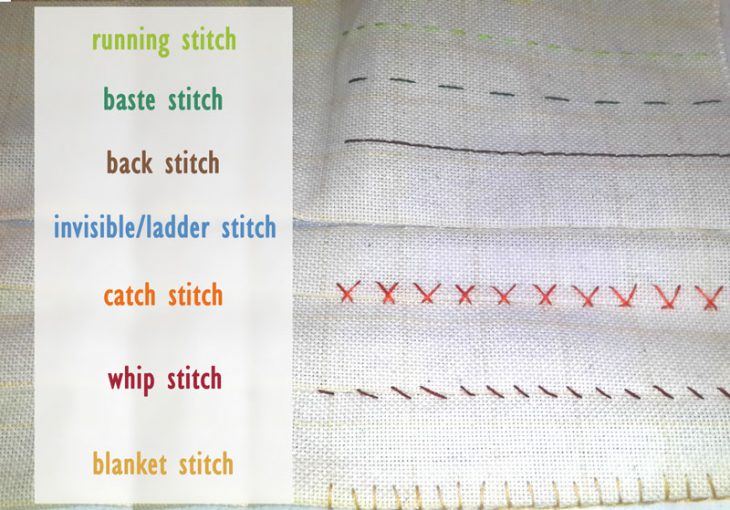
Detailed, practical coverage of textile care and responsible disposal across Canada.
Temperature choices, detergent types, and agitation levels that determine whether wool shrinks or linen weakens — and how to avoid common errors.
Read more
A practical look at patching, darning, and reinforcement methods that keep garments in rotation rather than heading to landfill.
Read more
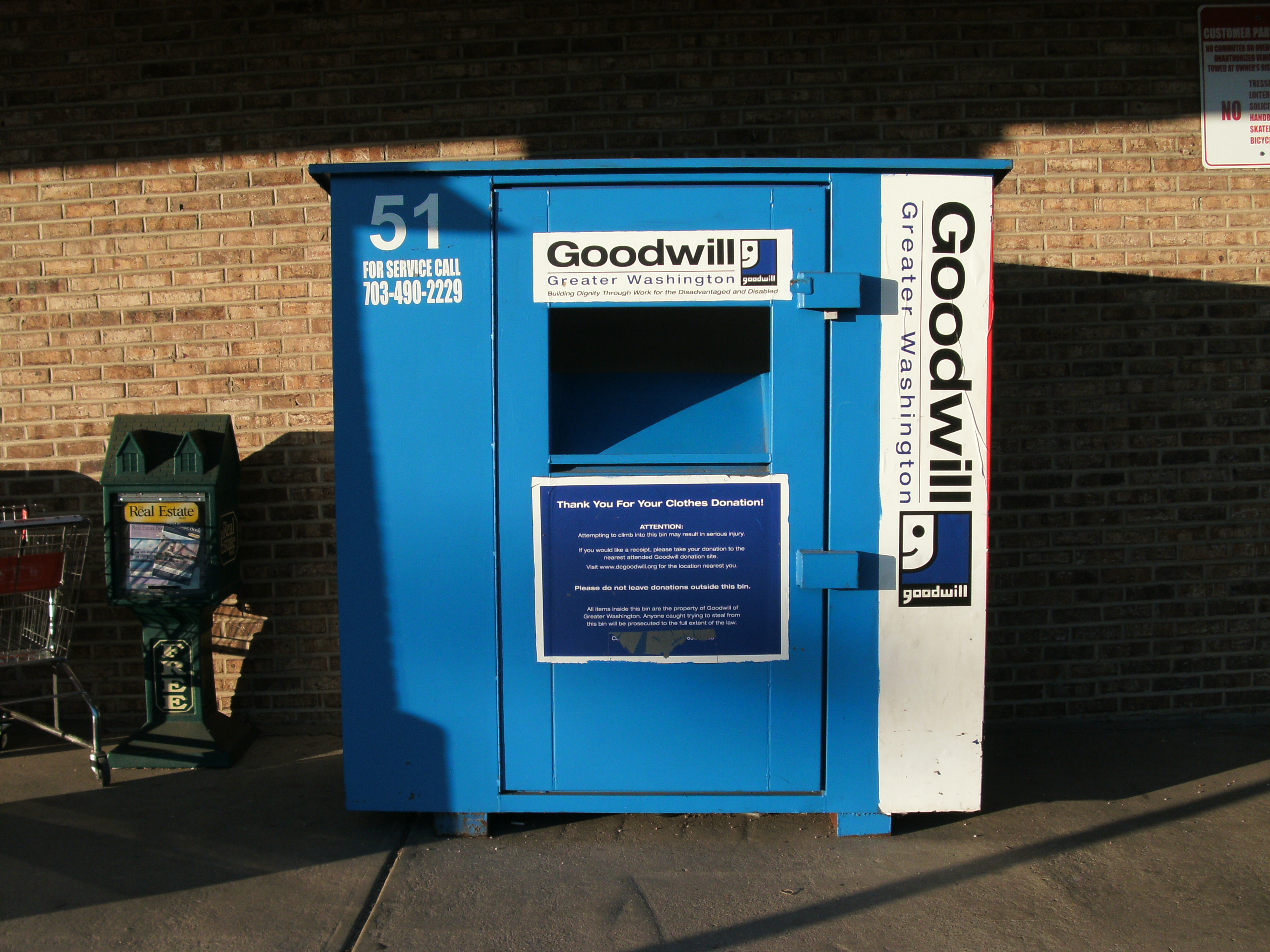
Where and how Canadians can donate usable clothing and divert worn-out textiles from waste streams through provincial recycling networks.
Read moreThree connected areas of textile sustainability — from the laundry room to the donation bin.
Wool, linen, cotton, and silk each respond differently to heat, agitation, and detergent chemistry. Understanding these differences prevents irreversible damage.
Darning, patching, and reinforcing weak seams are straightforward skills that extend garment life by years. Most repairs require no specialist equipment.
Canada has a growing network of textile collection and recycling points. Knowing which items go where makes a measurable difference in diversion rates.
Questions about textile care, corrections to published content, or requests for specific topics covered in future articles can be directed below.